Setup, Compatibility & Care
Setup
- Lacing: Ensure boots are laced snugly but not too tightly to allow for blood circulation and comfort. Experiment with different lacing patterns if you experience pressure points.
- Break-In Period: Like most football boots, a short break-in period is recommended. Wear them for light training sessions or casual kickabouts before competitive matches to allow the synthetic upper to mold to your foot.
Compatibility
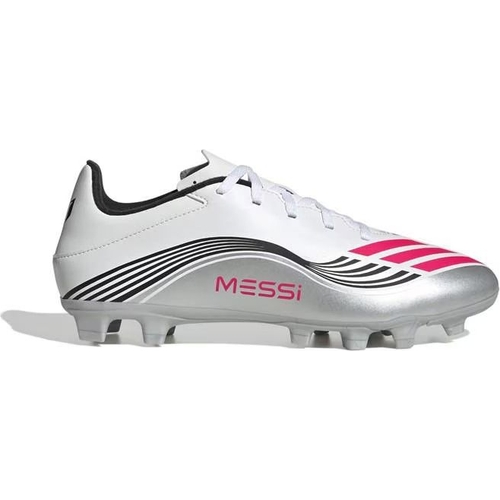
These boots are specifically designed for:
- Firm Ground (FG): Natural grass pitches that are not excessively wet or dry.
- Multi-Ground (MG): A versatile option for natural grass and newer generations of artificial grass pitches. The stud pattern is optimized to provide grip on these surfaces without causing undue strain on your joints or the boot itself.
Avoid using on: Older artificial turf (AG) with long, abrasive fibers or indoor court (IC) surfaces, as the studs are not suited for these and can cause discomfort, reduced performance, or accelerated wear to the boots and potentially the playing surface.
Care
Proper care extends the life and performance of your boots:
- Cleaning: After each use, remove loose dirt and mud with a soft brush or damp cloth. For tougher stains, use a mild soap solution and a soft sponge. Avoid harsh chemicals.
- Drying: Allow boots to air dry naturally at room temperature. Do not use direct heat sources like radiators or hairdryers, as this can damage the synthetic material and adhesives. You can stuff them with newspaper to absorb moisture and maintain their shape.
- Storage: Store your boots in a cool, dry place away from direct sunlight. Consider using a boot bag for protection when transporting.
- Odor Control: Use boot deodorizers or sprinkle baking soda inside if odors develop. Allow them to sit overnight to absorb smells.




 Frasers£28.00Visit shop
