
Rough Sawn Treated Whitewood Spruce Stick Timber - (L)1.8M (W)125mm (T)22mm
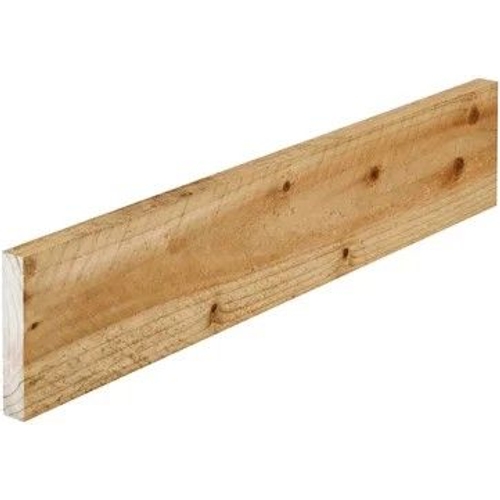
This is a rough sawn treated whitewood spruce stick timber. It measures (L)1.8M in length, (W)125m...

Best current price£5.97from B&Q

All Offers

4 offers from £5.97 - £10.37

View price history by clicking the chart icon.

B&Q - Rough Sawn Whitewood Spruce Stick Timber (L)1.8M (W)50mm (T)47mm
Free delivery in 1–3 days
£5.97
Visit shop

Product Information

Full details

This guide is for DIY enthusiasts, builders, and crafters seeking a reliable, treated timber solution. The B&Q Rough Sawn Treated Whitewood Spruce Stick Timber offers excellent durability and versatility for a wide range of construction and garden projects, thanks to its treatment against rot and decay. However, its 'rough sawn' finish means it may require additional preparation if a smooth, aesthetic surface is desired. Measuring 1.8 meters long, 125mm wide, and 22mm thick, this timber provides a robust and adaptable foundation for your next project.

All features

BrandB&Q

Extended Product Information

FAQs

What does 'treated' timber mean?

Treated timber has undergone a pressure treatment process where wood preservatives are forced deep into the wood fibers. This protects the timber from rot, fungal decay, and insect attack, making it suitable for outdoor and ground contact applications.

Can this timber be used outdoors?

Yes, absolutely. The treatment applied to this Whitewood Spruce timber makes it highly suitable for outdoor use, providing enhanced resistance against the elements and common timber pests.

Do I need to paint or seal this timber?

While the timber is treated for protection, applying a paint, stain, or clear sealant can offer additional protection against weathering, UV damage, and can also enhance its aesthetic appeal. If cut, always seal the exposed ends.

What kind of tools do I need to work with this timber?

Standard woodworking tools are suitable, including hand saws, circular saws, miter saws, drills, and sanders. Always ensure your blades and bits are sharp for clean cuts and efficient work.

How should I store this timber if I don't use it all at once?

Store unused timber in a cool, dry, and well-ventilated area, ideally indoors or under a waterproof cover. Stack it flat on battens to keep it off the ground and allow air circulation to prevent warping.

Is this timber suitable for structural use?

Yes, Whitewood Spruce is a common and reliable choice for many structural applications, especially for framing, battens, and non-load-bearing elements. Always consult local building codes and engineering advice for critical structural projects.

What is 'rough sawn' finish?

'Rough sawn' refers to the texture of the timber directly from the saw. It has a coarse, uneven surface with visible saw marks, unlike planed timber which has a smooth finish. It's often preferred for hidden structures or rustic aesthetics.

Troubleshooting

Timber appears to be warping or twisting after installation.

Ensure the timber was stored correctly before use (dry, level). For installed pieces, ensure adequate fastening points to restrict movement. Warping is often due to moisture changes; seal exposed end grains with preservative to reduce moisture uptake.

Difficulty achieving a smooth finish for painting or staining.

The timber is rough sawn. To achieve a smooth finish, extensive planing or sanding with progressively finer grits of sandpaper will be required before applying primer and paint/stain.

Fasteners (screws/nails) are corroding prematurely.

Treated timber can react with untreated or unsuitable metals. Always use galvanized, stainless steel, or specially coated exterior-grade fasteners designed for use with treated timber to prevent corrosion.

Pros and Cons

Pros

  • Treated for enhanced resistance to rot, fungal decay, and insect attack, extending product life.
  • Highly versatile for both internal and external construction and DIY projects.
  • Standard dimensions (1.8M x 125mm x 22mm) ensure broad compatibility and ease of use.
  • Durable Whitewood Spruce is easy to work with using common woodworking tools.
  • Cost-effective solution for structural and non-aesthetic timber requirements.

Cons

  • Rough sawn finish requires additional sanding or planing if a smooth surface is desired for aesthetic applications.
  • May contain natural imperfections like knots, which are common in timber products.
  • Heavy to handle, especially in bulk, potentially requiring assistance for transport and placement.
  • While treated, regular maintenance may be beneficial for maximum lifespan in harsh outdoor environments.
  • Not suitable for fine woodworking projects where a perfectly smooth, knot-free finish is critical without extensive preparation.

Setup, Compatibility & Care

Setup Instructions

  1. Measurement & Cutting: Measure your required lengths accurately. Use a sharp hand saw, circular saw, or miter saw for clean cuts. Always wear appropriate safety glasses and gloves.
  2. Fastening: Secure the timber using suitable exterior-grade screws or nails. Pre-drilling pilot holes is recommended, especially near ends, to prevent splitting. For heavier applications, consider using timber connectors or brackets.
  3. Post-Cutting Treatment: If you cut the timber, the freshly exposed ends will no longer be treated. Apply an end-grain wood preservative to these cut surfaces to maintain the timber's protective qualities, especially for outdoor use.

Compatibility

  • Tools: Compatible with standard woodworking tools including hand saws, circular saws, drills, and planers.
  • Finishes: Can be painted, stained, or varnished after adequate preparation (sanding may be required for a smooth finish). Ensure any finish used is compatible with treated timber.
  • Fasteners: Use galvanized, stainless steel, or specifically coated fasteners (e.g., exterior-grade screws) to prevent corrosion, which can occur when in contact with treated timber.

Care and Maintenance

  • Storage: Store any unused timber in a dry, level, and well-ventilated area, preferably elevated off the ground to prevent moisture absorption and warping.
  • Periodic Inspection: For outdoor applications, periodically inspect the timber for any signs of wear, decay, or insect damage. Address any issues promptly.
  • Re-treatment: While treated for long-term protection, timber exposed to harsh outdoor elements may benefit from re-treatment with a suitable wood preserver every few years to prolong its life and maintain its appearance.
  • Cleaning: Clean any dirt or debris from the timber surface with a stiff brush and water. Avoid harsh chemical cleaners that could degrade the treatment.

Similar items

Price History

DatePrice
Visit shop