
Nike Air Max Plus Origins Waterway - White - 5
Not Available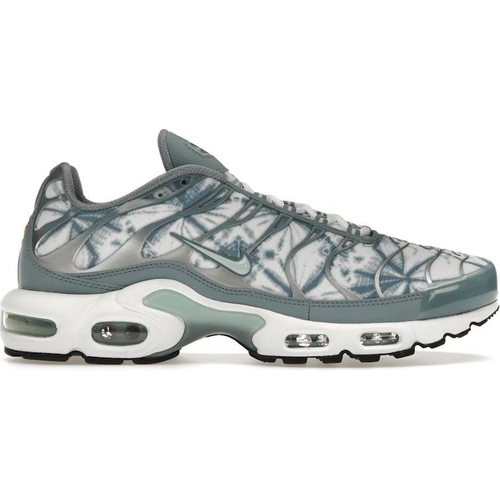
Currently unavailable
Currently unavailable
The Nike Air Max Plus Origins Waterway is designed for adult male sneaker enthusiasts who value both iconic heritage design and modern comfort. This edition serves as a tribute to designer Sean McDowell, featuring a serene palm tree-inspired aesthetic that delivers a distinct, tonal look for casual wear, though the intricate white mesh upper requires diligent cleaning to maintain its pristine appearance.
| Age Group | adult |
|---|---|
| Colour | White |
| Gender | Male |
| Shoe Size UK | 5 |
| Series | Air Max Plus |
| Brand | Nike |
While they feature Air Max cushioning, these are primarily designed for lifestyle and casual wear rather than high-mileage performance running.
Use a soft brush with a mixture of water and gentle soap, dabbing rather than scrubbing harshly to avoid fraying the fabric.
The Air Max Plus series generally fits true to size, but those with wider feet may prefer to go up half a size.
The mesh construction is porous, so they are not waterproof and are best avoided in heavy rain to prevent staining.
The TN branding refers to 'Tuned Air,' the specific technology used in the original Air Max Plus line to provide tuned stability and cushioning.
Use a soft-bristled brush and mild detergent to gently scrub; do not use harsh chemicals.
Insert a shoe tree when not in use to help the material maintain its shape.
Wipe with a damp cloth; avoid abrasive sponges that could scratch the plastic.
Because this model features a predominantly white, high-quality synthetic mesh upper, preventative care is essential. It is recommended to treat the shoes with a water and stain repellent spray immediately after unboxing. To clean, use a soft-bristled brush with a mild soap solution to gently remove debris from the mesh fibers and the wavy plastic overlays. Avoid machine washing or drying, as high heat can compromise the Air units and adhesive bonds. Store the shoes in a cool, dry place away from direct sunlight to prevent yellowing of the white components.