
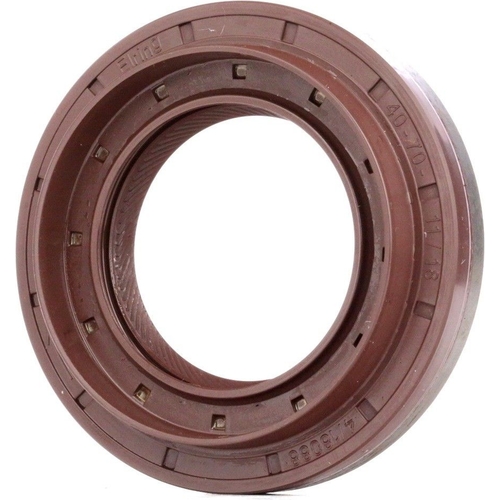
Elring Differential Shaft Seal - 456980
Best current price£13.32from eBay
Best offers
Shopping.co.uk recommended and popular offers
 eBay£13.32Visit shop
 ELRING 456.980 Seal Ring for DODGE,FREIGHTLINER,MERCEDES-BENZ,MERCEDES-BENZ (FJD
Visit shopBest current price£13.32from eBay
Shopping.co.uk recommended and popular offers
eBay£13.32Visit shop ELRING 456.980 Seal Ring for DODGE,FREIGHTLINER,MERCEDES-BENZ,MERCEDES-BENZ (FJD
Visit shop11 offers from £13.32 - £28.94
View price history by clicking the chart icon.

This genuine Elring Differential Shaft Seal (part number 456.980) is designed for Mercedes-Benz Sprinter and Vito models, as well as Dodge Sprinter 2500, to prevent lubricant leaks from the rear propshaft and inner rear axle. Its key benefit is providing a reliable seal that maintains differential integrity. A caveat is its specialized application, requiring specific vehicle compatibility checks. Key features include its precise dimensions (40mm inner, 70mm outer, 18mm height), A/BS2 radial shaft seal design with a right-hand twist swirl, and an integrated dust cover.
| Model Part Number | 456980 |
|---|---|
| Brand | Elring |
This seal is designed for specific Mercedes-Benz Sprinter (e.g., 906 chassis) and Vito models, as well as Dodge Sprinter 2500. Always verify compatibility using the part number and compatible axle codes (741.408, 741.409, 741.411, 741.407).
The seal has an inner diameter of 40mm, an outer diameter of 70mm, and a height of 18mm.
A/BS2 refers to a type of radial shaft seal construction. The right-hand twist swirl is a design feature on the lip that helps retain lubricant and prevent contaminants from entering the sealed area when the shaft rotates clockwise (as viewed from the end of the shaft).
Yes, this Elring Differential Shaft Seal features an integrated dust cover to provide additional protection against dirt and moisture.
Its primary function is to seal the differential housing at the rear propshaft or inner rear axle connection, preventing lubricant from leaking out and contaminants from entering.
Installation typically requires mechanical knowledge and specialized tools. If you are not experienced with drivetrain components, it is recommended to have a professional mechanic perform the installation.
Signs include visible lubricant leaks around the differential housing, low differential fluid levels, or the smell of gear oil. It's often checked during routine maintenance or when addressing other drivetrain issues.
Verify the seal was installed correctly, ensuring it is seated squarely and not damaged. Check if the shaft surface is smooth and free of nicks. Confirm the correct differential fluid type and level. Ensure no debris was introduced during installation.
Ensure you are using the correct seal for the application. Use appropriate seal installation tools to press the seal in evenly. Do not force the seal; if resistance is excessive, check for obstructions or misalignment.
Inspect the shaft for roughness or damage. Ensure proper lubrication during installation. Verify operating temperatures are within the seal's design limits and that the differential fluid is adequate and the correct type.
Compatibility Verification:
Before installation, it is crucial to verify compatibility. Ensure your vehicle is a compatible Mercedes-Benz Sprinter (e.g., 906) or Vito, or a Dodge Sprinter 2500. Confirm that your vehicle's axle code matches one of the supported codes: 741.408, 741.409, 741.411, or 741.407. Cross-reference the original part numbers (0239975847 or A0239975847) with your vehicle's existing seal.
Installation:
Installation of a differential shaft seal typically requires specialized tools and mechanical expertise. It involves:
Care:
Once installed, the seal requires no specific routine care beyond maintaining proper differential fluid levels and condition. Regular vehicle inspections can help identify any early signs of leakage. Avoid using high-pressure washing directly at the seal area for extended periods, which could potentially compromise the dust cover over time.