
YouGarden Harkness Rose 'Chawton Cottage' - Climbing Rose - 4 Litre Pot
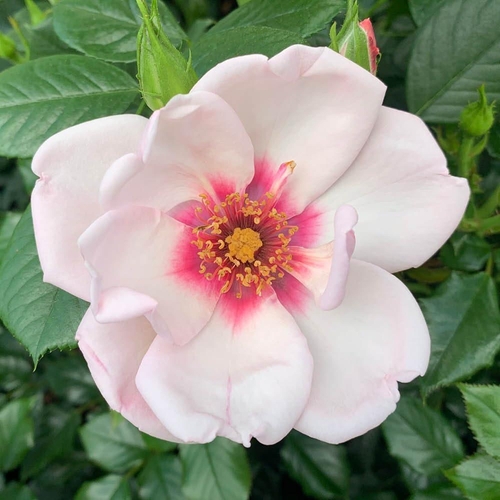
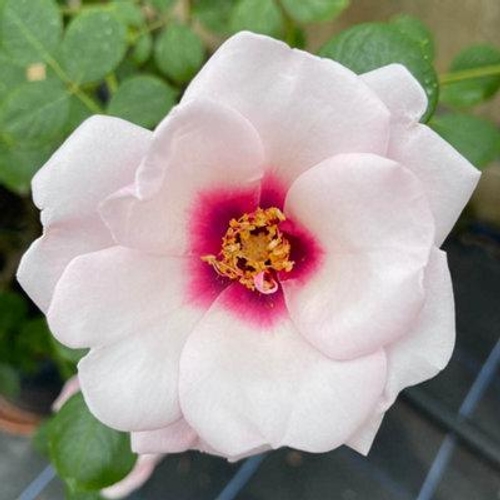
Rose 'Chawton Cottage' combines romance, fragrance and charity in one beautiful package. Named in ...Rose 'Chawton Cottage' combines romance, fragrance and charity in one beautiful package. Named in honour of Jane Austen's former home, this pastel pink climber with ruby-red centres brings both visual and emotional warmth to your garden. As it blooms with delicate fragrance from summer through to autumn, it fills the air without overpowering neighbouring plants. This climbing rose rules a trellis or arch, its glossy foliage and repeat flowering habit creating structure and beauty in equal measure. It effortlessly blends into mixed borders or patio container displays. One of the most thoughtful features is its charitable dimension: we donate £2.50 from each sale to Jane Austen’s House. So every plant isn’t just beautiful - it's part of a cause. 'Chawton Cottage' is easy to grow. Train it, plant it, enjoy it. It’s packed with disease resistance and grows well in most soil types. If you give it sun and good drainage, you'll be rewarded with sturdy stems, glossy foliage and waves of blooms. This rose makes a lovely gift, especially richly symbolic for book lovers, literary gardens or heritage planting schemes. And yes, it’s a superb cut flower too—each bloom is a little work of art. Registered name: Harzimlet Supplied as an established plant in a 4 litre pot, ready for planting. ROMANTIC BICOLOUR BLOOMS: Striking pearl-pink petals around ruby centres produce a refined look and gentle perfume. Each flower is visually captivating and emotionally evocative. CHARITY TRIBUTE ROSE: Each sale supports Jane Austen's House with a £2.50 donation. Plant with purpose and add meaning to your garden displays or gifting. REPEAT FLOWERING CLIMBER: Blooms from summer into autumn on strong stems and glossy foliage. A hardy, disease-resistant rose that adds structure and colour to pergolas or large pots. DELIVERED: Supplied as a freshly potted, established rose in a 4 litre pot, ready for planting. ABOUT US: At YouGarden, we believe that gardening is for everyone. Based in rural Lincolnshire we have our own 11 acre nursery, meaning that we are in close contact with our plants, so that we can guarantee our plants will thrive because we've grown them ourselves. We also source product locally, nationally and internationally to ensure we give our customers the best range, highest quality and greatest value for money. All our products will arrive in nursery fresh condition.
Best current price£27.99from B&Q
Best offers
Shopping.co.uk recommended and popular offers
 B&Q£27.99Visit shop ›
B&Q - Harkness Rose 'chawton Cottage' Climbing Rose In 4 Litre Pot
Visit shop ›


